Every athlete, from a weekend runner to a league competitor, can benefit from sports injury risk reduction. This guide turns proven ideas into routines you can apply before, during, and after activity, regardless of sport or level. It focuses on controllable habits: how you prepare, how you move, how you progress training loads, and how you recover—so you can enjoy more consistent, confident play.
Nothing here replaces individualized advice. If you have concerning pain, unusual symptoms, or a history of significant issues, consult a qualified professional who can assess your specific situation. Think of this as a field guide to safer habits and smarter decisions, not a substitute for expert care when it’s needed.
What sports injury risk reduction really means
Sports apply stress to tissues and joints. That stress is not automatically “bad”—it is the same signal that helps you adapt and become more capable. Trouble usually appears when stress is poorly distributed, technique drifts under fatigue, or workloads jump faster than your body can adapt. Risk reduction is about stacking the odds in your favor by making small, consistent choices that lower harmful spikes and improve movement quality.
At a practical level, risk sits at the intersection of three elements: your own capacity, the demands of the session, and the environment in which you perform. Capacity includes strength, mobility, coordination, sleep, hydration, and how fresh you feel. Session demands include duration, intensity, density of drills, and the novelty of what you are asking your body to do. Environment includes equipment, surfaces, weather, lighting, and traffic patterns. When one of these elements changes—say, new shoes, a slick court, or a last-minute add-on workout—adjust the other dials to keep the overall picture manageable.
Two mindsets help this happen in the real world:
- Progress, not perfection: You will rarely set every variable perfectly. The goal is to make a few good decisions most days, not to chase an ideal you can’t sustain.
- Responsiveness beats rigidity: Use short self-checks before and after sessions. If your notes or body signals suggest you are flirting with a jump in workload or a nagging hotspot, trim, swap, or slow that day’s plan. Small adjustments made early often keep you moving well.
Think of it as a set of adjustable dials. On any given day you can tune your warm-up, technique, workload, and recovery. The more often those dials are set well, the lower the chance of unpleasant surprises.
Quick safety scan: environment, surfaces, and conditions
Environmental conditions shape how forces act on your body. A two-minute scan before activity can meaningfully improve the safety of your session without limiting performance. Prepare like a pilot doing a pre-flight walkaround—fast, focused, and consistent.
Field, court, or trail scan
- Surface continuity: Walk the area you’ll use. Look for holes, slick spots, gravel, standing water, loose turf beads, uneven seams, or debris. Note transitions—wood to tile, turf to track, road to trail—and plan your first few reps accordingly.
- Boundaries and obstacles: Identify nets, poles, benches, camera tripods, or low fences near play space. Adjust drills to reduce collision risk and set a verbal reminder with partners.
- Traffic patterns: In public spaces, pick a route with predictable flow and avoid blind corners. In practices, agree on clockwise/anti-clockwise rules to minimize head-on crossings.
- Hazard mitigation: Kick away small stones, move portable equipment, mark holes with a cone, and flag anything immovable to teammates.
Weather, lighting, and visibility
- Heat and humidity: Plan extra water breaks and reduce early-session intensity. Lighter colors and breathable fabrics can help you stay comfortable.
- Cold and wind: Add layers you can shed during warm-up; protect ears and fingers. Expect slightly stiffer early reps and extend your mobility prep.
- Rain and slickness: Choose footwear with better tread or studs appropriate to conditions, and shorten cutting distances until you’ve tested traction.
- Lighting: Poor lighting increases missteps. Use headlamps, reflective gear, or choose a better-lit route. Indoors, wipe dusty court patches and check for glare zones that hide lines.
Two-minute pre-session checklist
- Surface scanned; hazards removed or noted
- Footwear matched to surface and forecast, laces double-checked
- Hydration accessible with a simple break schedule
- Space and traffic patterns agreed for drills or routes
- Emergency basics known (address and phone access)
Small environmental wins add up. If your scan turns up more issues than you can reasonably address, downshift the day’s intensity or move to a safer area. That decision often preserves far more training over the next week than a single high-risk session can provide.
Gear that fits: shoes, supports, and sport-specific equipment
Well-fitted gear helps align joints, improve traction, and reduce hotspots that can change how you move. Even minor fit issues can alter technique and increase strain in ways you barely notice—until fatigue arrives. Build a habit of checking for wear and comfort during the first minute of your warm-up.
Shoes matter more than most people think
- Replacement cues: The outsole is smooth, the midsole feels flat or “dead,” the upper leans inward or outward when placed on a table, or you notice new hot spots. If two cues show up, rotate or replace that pair.
- Match to surface: Trail lugs for dirt, rock plates for rocky trails, gum soles for clean courts, studs for soft grass, turf shoes for artificial surfaces. When in doubt, choose grip and stability over style.
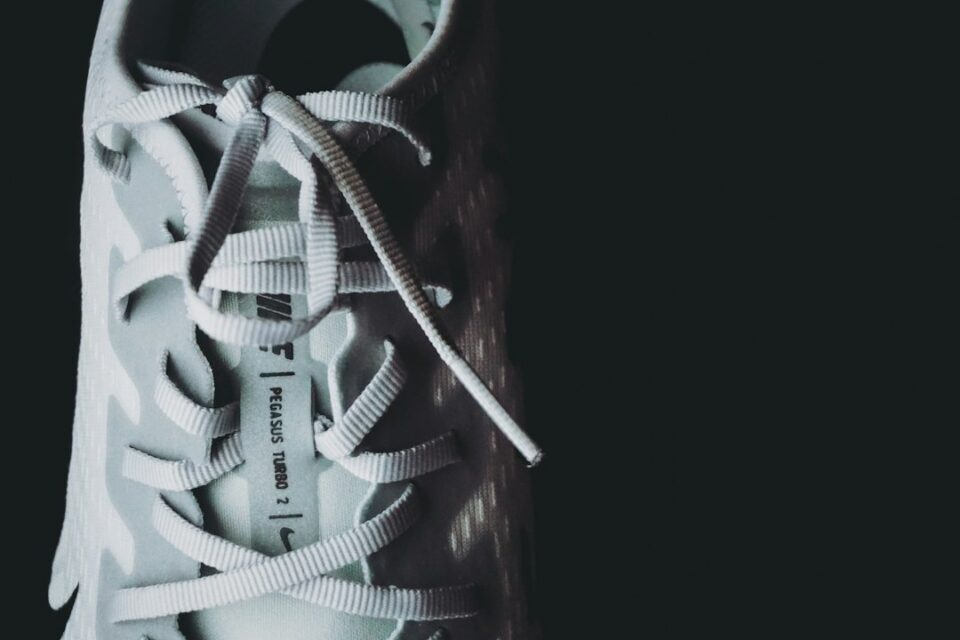
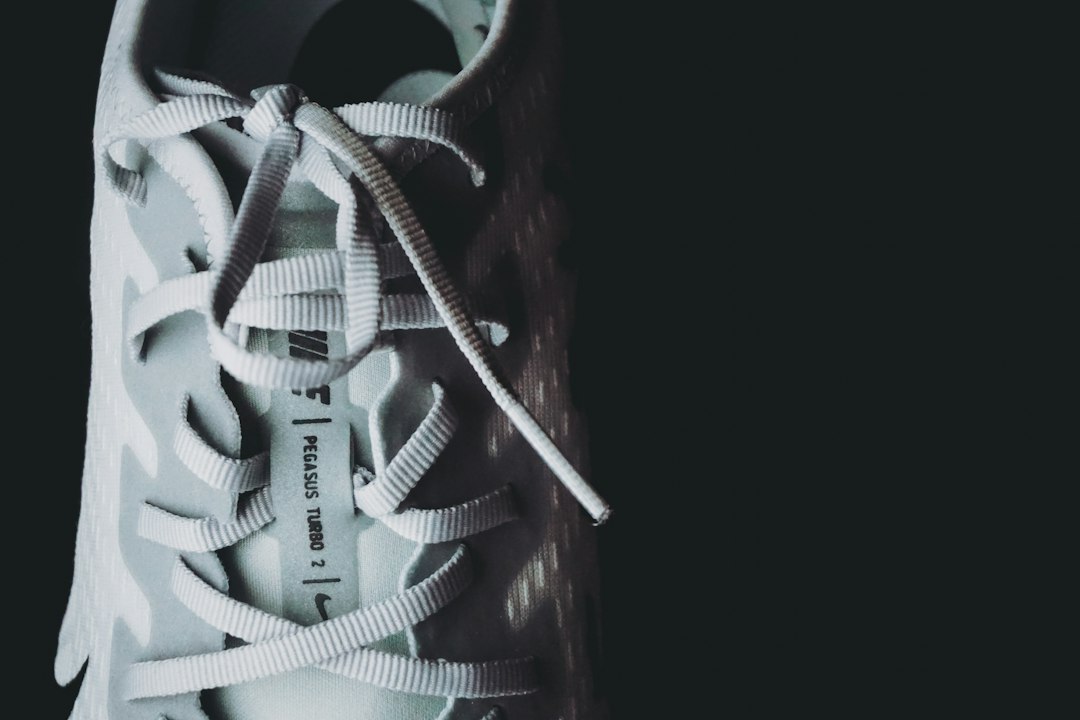
- Secure closure: Laces or straps should be snug but not constrictive. Foot sliding inside the shoe often leads to awkward landings and blisters. Re-lace once after the first few minutes as materials warm up.
- Rotation strategy: If you run or play frequently, two different models with distinct foams or geometries can diversify loading patterns across the week.
Helmets, pads, and sport-specific items
- Head protection: Fit should be snug and level. Straps form a “V” around the ears and close under the jaw. Follow manufacturer guidance for sizing and replacement intervals after impacts or visible wear.
- Braces and supports: Use items recommended by a qualified professional for your situation. Reassess fit when you change footwear or socks. Replace worn straps, sleeves, or hook-and-loop closures before they fail mid-play.
- Mouthguards, shin guards, gloves: Choose products that comply with league rules and cover common contact points for your sport. Periodically check that padding hasn’t compacted to the point of minimal benefit.
Gear maintenance and packing habits
- Weekly gear check: Five minutes to inspect shoes, laces, and pads for frays; wash sleeves or wraps; recharge lights; and restock your small kit (tape, bandages, mini pump, spare laces).
- Travel kit: Keep a dedicated pouch with tape, band, small towel, blister cushions, and a marker for field markings. Having basics on hand reduces rushed fixes that compromise fit.
- Record wear life: Note shoe mileage or session count in your log. Replacement before failure is cheaper than time away from your sport.
Warm-up templates that translate to performance
Dynamic warm-ups elevate temperature, activate key muscles, and rehearse movement patterns at low intensity. An effective routine feels targeted and short, not random and long. You should finish feeling awake and coordinated, not tired.
10-minute base template
- Easy locomotion (2 minutes): Light jog, side shuffles, backward jog, and carioca. Keep strides small and posture relaxed.
- Mobility (3 minutes): Ankle rocks, hip openers, thoracic rotations, and the world’s greatest stretch. Aim for smooth ranges, not maximum depth.
- Activation (3 minutes): Glute bridges, mini-band side steps, calf raises, and scapular retractions. Focus on quality contractions over reps.
- Rehearsal (2 minutes): Short accelerations, low-amplitude jumps, gentle cuts, or shadow swings and strokes, depending on your sport.
Targeted add-ons by sport
- Running: Ankle hops, A-skips, and gradual strides up to session pace.
- Soccer and football: Hip turns, lateral shuffles, passing patterns, and change-of-direction rehearsals in a marked grid.
- Basketball: Closeout footwork, low defensive slides, and controlled stops or step-backs at half speed first.
- Tennis and pickleball: Split-steps, shuffle-to-split transitions, and rotational shoulder prep with light bands.
- Cycling: Progressive cadence spin-up and hip mobility before clipping in; maintain a relaxed upper body.
Warm-up quality checks
- Do the last two minutes mirror your first drill?
- Did your heart rate climb gradually without fatigue?
- Do stiff areas feel easier after mobility work?
- Can you perform the first drill of practice with confidence and control?
If you’re short on time, combine steps: interleave mobility with locomotion (e.g., jog 30 seconds, pause for ankle rocks). Two well-planned minutes done consistently beat a perfect routine done rarely.
Movement quality: landing, cutting, deceleration, and posture
How you move determines how forces travel through your body. Subtle adjustments can distribute stress more evenly and lower awkward peaks. These skills improve with short, frequent practice sets, especially when attention is high and fatigue is low.
Landing mechanics
- Quiet feet: Think “soft landings.” Absorb through hips, knees, and ankles rather than one joint doing all the work.
- Knee-over-midfoot: Knees track over the middle of the foot during landings and squats. Use mirrors or phone video for quick checks.
- Trunk control: A slight forward trunk lean during landings shares load across the chain and helps you keep balance.
- Eyes level: Fix your gaze forward to steady the head and upper body.
Cutting and change of direction
- Lower center of mass: Sink the hips before the cut; a low stance makes direction changes smoother and more controlled.
- Pre-load the outside leg: Small, choppy steps approaching the cut help you brake and re-accelerate more effectively.
- Foot placement: Plant close to the body, not far outside it, to avoid awkward angles.
- Torso and shoulders: Turn the trunk toward the new direction just before the foot plants so the whole body redirects together.
Deceleration and stopping
- Brake early: Start slowing with controlled steps rather than a single hard stop. This is especially important on slick surfaces.
- Posture: Keep chest up and gaze forward; avoid collapsing into the stop.
- Progression: Practice deceleration at low speed, then moderate speed, then game speed, adding complexity gradually.
Simple movement drills
- Snap-downs: From a tall position, drop into an athletic stance with quiet feet and hands to hips. Hold for two seconds.
- Box land-and-hold: Step off a low box or step and hold a soft landing for two seconds, checking knee alignment.
- 3-2-1 shuttles: Three steps forward, two steps back, one step forward, focusing on posture and controlled speed.
- Figure-8 cuts: Jog a figure-8 pattern with small plants and quiet pivots, gradually increasing pace and angle.
Sprinkle these drills into warm-ups or insert short “quality blocks” mid-practice. Five focused minutes done three times a week often translate more effectively than one long session done sporadically.
Strength and mobility essentials by joint and pattern
Basic strength and mobility create a buffer that helps you handle practice and competition. The goal is not maximal loads; it’s capacity and control. Two well-executed sessions per week make a noticeable difference for many athletes.
Foot and ankle
- Calf raises: Straight-knee and bent-knee variations, 2–3 sets of 8–15 each. Progress by tempo control and single-leg versions.
- Tibialis raises: Lean against a wall and lift toes, 2–3 sets of 12–20. Keep reps smooth.
- Short foot drill: Lightly draw the ball of the foot toward the heel without curling toes, 2–3 sets of 10–20 second holds.
- Ankle mobility: Knee-over-toes rocks to improve dorsiflexion range. Add gentle pauses in tight spots.
Knee and hip
- Split squats or lunges: Emphasize control and alignment. Aim for 3×6–10 per side with a slow lower.
- Hip hinge work: Romanian deadlifts or hip thrusts for posterior chain strength. Keep spine long and motion from the hips.
- Step-downs: Slow, controlled lowering from a small step, 2–3×8–12, focusing on knee-over-midfoot.
- Glute medius work: Mini-band side steps or single-leg balance reaches to improve lateral control.
Spine and trunk
- Anti-rotation: Pallof presses for core control under load, 3×10–12 with smooth breathing.
- Anti-extension: Dead bugs and plank variations with calm nasal breathing.
- Rotation: Cable or band chops and lifts for court and field sports.
Shoulder and upper back
- Scapular retractions: Rows with a pause at end range, 3×8–12.
- External rotations: Band or cable, elbow tucked, slow tempo for control, 3×12–15.
- Overhead carries: Light kettlebells or dumbbells to reinforce alignment, 2–3×20–40 meters.
Two sample mini-circuits
- Lower-body focus (15–20 minutes): Split squats 3×8 per side; hip hinges 3×8; step-downs 2×10; calf raises 2×15.
- Upper-body and trunk (15–20 minutes): Rows 3×10; external rotations 3×12; Pallof presses 3×12; dead bugs 2×8 per side.
Record what you did and how it felt rather than chasing big jumps in load. Steady progress and clean technique yield reliable benefits for sport.
Load management and schedule design for busy athletes
Athletes often run into trouble after sudden spikes—adding long runs, extra games, or heavy sessions too close together. Smart planning uses small, consistent progressions and honest signals from your own log. The goal is not perfect periodization; the goal is avoiding big surprises.
Progression principles
- Build gradually: Increase total weekly work in small steps. Sudden jumps create unnecessary stress on tissues and coordination.
- Alternate stressors: If you push intensity one day, keep the next day lighter or choose a different modality.
- Respect new demands: New shoes, new surface, or new technique all count as “load.” Introduce them during lighter weeks.
- Deload regularly: Every few weeks, plan a lighter week to consolidate gains and restore freshness.
Anchor and support days
- Anchor days: One or two higher-quality sessions per week—everything else supports them. Protect sleep and nutrition around these days.
- Support days: Cross-training or lower-impact skill work that build capacity without draining you.
- Micro-adjustment: If you feel unusually stiff or sluggish, trim duration or intensity by 10–20% and emphasize quality.
Four-week example plan
- Week 1: Learn the warm-up, dial in mechanics, keep intensity moderate while you assess fit and surfaces.
- Week 2: Add small volume to main sessions; introduce one new drill or surface at low density.
- Week 3: Keep volume steady; slightly increase intensity on anchor drills and reduce nonessential extras.
- Week 4: Lighter week: reduce volume 20–30% and sharpen technique before the next build.
Track two numbers after sessions: perceived effort (1–10) and session duration (minutes). Over time, these snapshots show patterns—when you do too much, or when you’re ready for a little more.
Sport-by-sport pointers for running, field, court, bike, and gym
The principles above apply across activities. Here’s how to apply them for popular sports and training styles. Use these ideas as a menu—pick a few that suit your weekly rhythm and the conditions you face most often.
Running
- Build long runs slowly: If you add distance, pull back intensity elsewhere that week.
- Route rotation: Rotate routes and surfaces to vary tissue stress and keep attention fresh. Mix asphalt, track, and well-groomed trails.
- Strides for technique: Include 4–6 relaxed strides twice weekly after easy runs to rehearse posture and footstrike.
- Strength touchpoints: Calf raises, single-leg deadlifts, step-downs, and hip abduction. Two short sessions each week go a long way.
- Footwear rotation: Two pairs with different foam densities can diversify loading. Retire pairs that feel flat even if the outsole looks fine.
Soccer and football
- Warm-up specificity: Lateral shuffles, hip turns, and gradual sprints that include stops and starts.
- Small-sided movement drills: Practice cuts in a cone grid, focusing on low hips and close foot placement.
- Strength touchpoints: Split squats, hamstring progressions (e.g., slow bridges to sliders), and core anti-rotation.
- Traction choices: Match studs or turf shoes to conditions and verify grip after a few minutes of movement.
Basketball
- Landing practice: Rehearse soft, quiet landings in warm-up. Add low-amplitude hops between lines.
- Controlled stops: Practice deceleration from jog speed before adding faster step-backs or lateral brakes.
- Strength touchpoints: Goblet squats, Romanian deadlifts, calf and tibialis work, and shoulder stability with bands.
- Court care: Note dusty patches; wipe soles before sequences that require abrupt stops and cuts.
Tennis and pickleball
- Footwork rhythm: Split-step timing and shuffle-to-split transitions belong in every warm-up. Add two or three first-step bursts.
- Upper-body prep: Scapular retractions, external rotations, and light rotational band work.
- Footwear wear patterns: Replace when tread is flattened under the ball of the foot or the inner forefoot shows smooth spots.
Cycling
- Fit and comfort: Check saddle height and fore-aft position; small cockpit changes affect hips and knees. Make one change at a time and test on a short ride.
- Cadence ramp: Use progressive cadence warm-ups to prepare tissues and the nervous system.
- Strength touchpoints: Hip extension, glute medius control, trunk stability, and calf work.
- Road choice: Favor smooth surfaces for interval days; save rough routes for easy spins.
Strength training
- Technique first: Build patterns at moderate loads before pushing heavy. Record a few sets to spot drift.
- Consistent bracing: Keep breathing and support strategies consistent from warm-up sets to working sets.
- Pattern balance: Alternate hinge, squat, push, pull, and carry patterns through the week.
- Reserve reps: Leave reps in reserve on accessory lifts to maintain crisp movement and avoid breakdown under fatigue.
Recovery routines that stick: cooldowns, sleep, and fueling
Recovery practices make training “stick.” They help you show up for the next session feeling ready to move well. You don’t need a long ritual—just a few repeatable habits that target your common tight spots and maintain energy.
Cooldown ideas
- 3–8 minutes of easy movement: Walk, gentle spin, or easy dribble to bring heart rate down gradually.
- Mobility on stiff areas: Ankle rocks, hip shifts, and thoracic rotations for a few slow breaths each.
- Breathing reset: 4–6 slow nasal breaths with long exhales to settle the nervous system and transition out of “go” mode.
Sleep and daily rhythm
- Consistent schedule: Many adults do well around 7–9 hours per night; keep bed and wake times steady when you can.
- Pre-sleep routine: Dim lights, set a screen curfew, and include low-stimulation activities like light stretching or reading.
- Early-practice days: Move bedtime earlier by small increments for a few nights rather than trying to shift everything at once.
Hydration and fueling
- Session hydration: Bring water to sessions longer than ~45 minutes; add electrolytes on hot days or long efforts.
- Back-to-back sessions: Prioritize a balanced meal or snack within a reasonable window between sessions.
- Light days: Keep meals simple and colorful to support steady energy without overcomplicating your routine.
Recovery habits are easier to maintain when they fit your life. Choose the smallest version that reliably happens, then build from there.
Age and life-stage notes: youth, collegiate, and masters
Age, growth, and schedule influence how you respond to training. Tailor expectations and routines to the chapter you’re in. The underlying principles remain the same; the emphasis shifts.
Youth and teens
- Learn patterns first: Emphasize coordination, variety, and curiosity over volume and personal records.
- Short, frequent practices: Mix running, jumping, throwing, and basic strength with a focus on form and fun.
- Protect enthusiasm: End sessions with a simple game; kids return when they enjoy the experience.
Collegiate and high-intensity amateurs
- Congested schedules: Clearly mark anchor days and lighter days, and share logs with coaches or partners.
- Role rotation: During dense competition weeks, adjust minutes or tactical roles to manage cumulative stress.
- Recovery logistics: Plan hydration and snacks around travel; pack a mini-mobility kit (band and ball) in your bag.
Masters athletes
- Longer warm-ups: Add a few minutes and include rehearsal reps for your first drill.
- Crisp, submaximal power: Jumps and sprints at moderate intensity keep the nervous system sharp with manageable fatigue.
- Strength maintenance: Two sessions a week focused on hinge, squat, push, pull, and carry help joint control and balance.
- Gradual changes: Ramp in new footwear or programs slowly; watch for next-day stiffness signals.
Monitoring and decision-making: logs, flags, and tweaks
You don’t need a lab to collect useful information. Small, consistent notes keep you on track and help you adapt. The point is to turn vague hunches into simple data you can act on.
What to track
- Training log: Date, session type, duration, and a 1–10 effort rating. Add one sentence on how you felt and any gear notes.
- Readiness snapshot: Each morning, rate sleep quality and general energy (low/medium/high). Adjust the day’s plan if both are low.
- Wearables (optional): Heart-rate trends, step counts, or cycling power can highlight large swings in workload.
Signals that invite adjustment
- Unusual stiffness or sluggish coordination across several days
- Persistent drop in motivation or concentration
- Technique drift that doesn’t resolve with focus in warm-ups
- Recurring hotspots on the same side of the body
How to respond
- Trim volume or intensity by 10–20% for a short period and emphasize quality.
- Swap a high-impact session for a lower-impact skill or aerobic session.
- Extend warm-up and cooldown by a few minutes until signals improve.
- Consult a qualified professional if unusual symptoms persist or feel worrisome.
Consider a quick weekly review: scan your log for spikes, note what felt best, and set one or two priorities for the next seven days. The review itself becomes part of your safety net.
When something feels off: field-side care, communication, and return ramp
Occasionally, you or a teammate will feel a strain, twist an ankle, collide, or fall. Having a calm plan matters. A small kit and a few clear steps help you make good decisions under pressure.
Field-side basics
- Stop and assess: Take a minute. Check motion you can do comfortably, weight bearing, and orientation. If anything feels concerning or unstable, step out.
- Manage swelling and soreness: Brief cooling and a light compression wrap may help comfort and control fluid build-up in the short term.
- Elevate when practical: Use a bag, bench, or cushion to prop the area for a short period.
- Seek qualified care: For significant pain, instability, head impacts, or anything that worries you, contact a licensed professional or visit an appropriate clinic.
Communication and documentation
- Note time, activity, and immediate sensations; these details help professionals evaluate next steps.
- Share observations with a coach, captain, or partner, especially after head impacts or balance issues.
- Use a simple return log: date, what you tried, how it felt during and 24–48 hours after. Gradual progress is the aim.
Return-to-play ramp
- Phase 1: Comfortable range of motion at home or in the gym, with light mobility and easy cardio as tolerated.
- Phase 2: Technique drills without contact or maximal effort, adding controlled patterns you can perform cleanly.
- Phase 3: Controlled practice elements with increased speed but limited volume; expand only if post-session feels okay.
- Phase 4: Full practice with role adjustments and honest check-ins afterward.
Preparation reduces chaos. Keep a small kit with elastic wraps, tape, a cold pack, and a card listing local urgent care locations and emergency contacts. For more practical ideas, visit our Sports Safety and Tips hub at Sportstro, where you’ll find checklists, sport-specific routines, and downloadable resources. When you bring these pieces together—environment checks, targeted warm-ups, better movement, gradual load progressions, and steady recovery—you build resilient habits that support safer, more enjoyable play.